

Getting a tattoo removed can feel like turning the page on an old story — but what happens next is just as important as the procedure itself.
By Kath Wong | December 15th, 2025
Have you ever wondered why some people heal flawlessly while others struggle with redness, scarring, or uneven skin tone? The secret lies in aftercare.
Tattoo removal, especially with laser treatments, is a delicate process. While modern technology makes it safe and efficient, your skin needs proper care afterward to heal smoothly and achieve the best possible results. Whether you’re erasing a small symbol or an entire sleeve, following the right steps after your session will determine how quickly and beautifully your skin recovers.
Understanding What Happens To Your Skin After Tattoo Removal
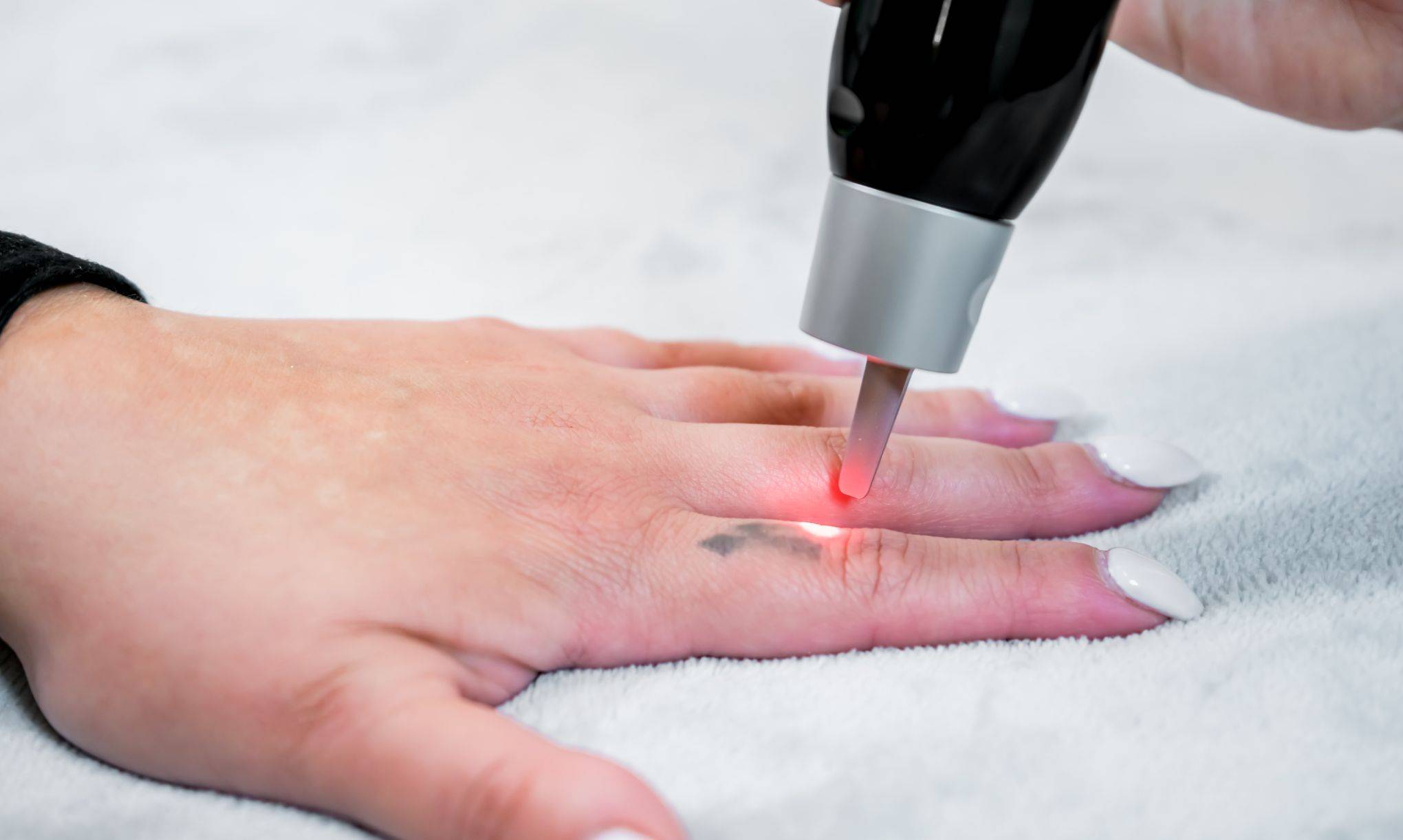
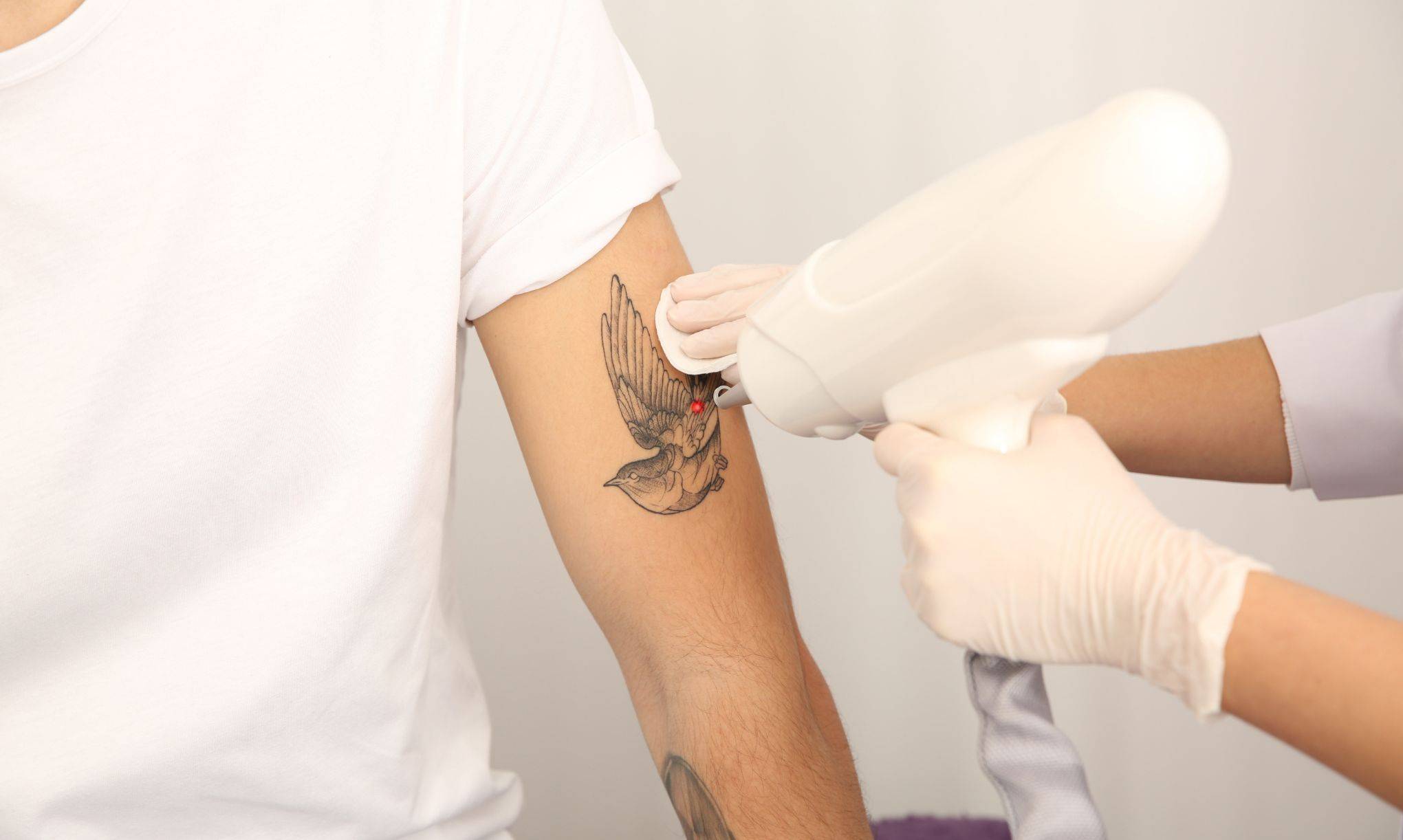
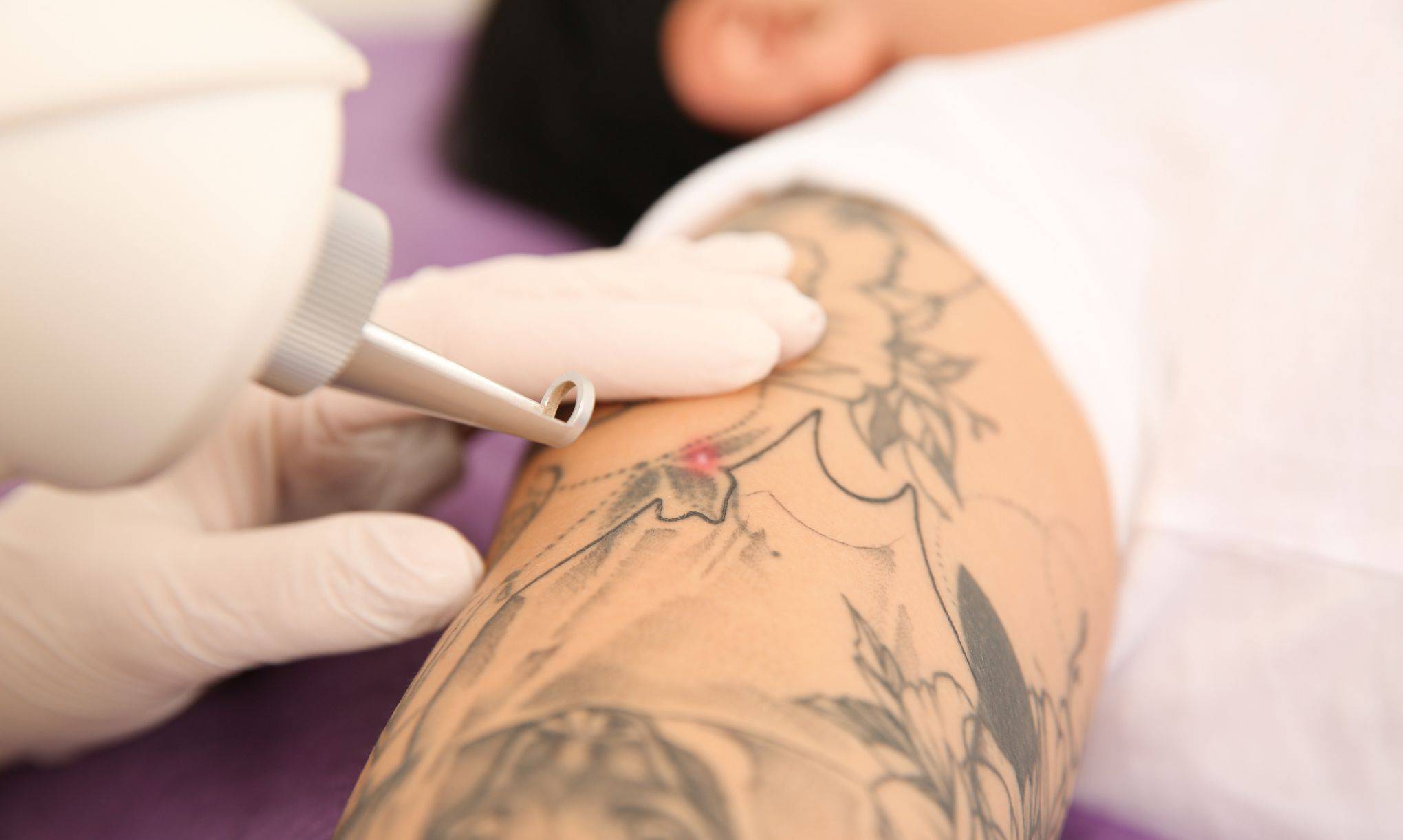
Before diving into aftercare, it helps to know what your skin goes through during the tattoo removal process. Laser tattoo removal works by sending high-intensity light pulses into the ink particles beneath your skin. These particles are broken down into tiny fragments, which your immune system gradually clears away.
While this technique is safe, it does cause controlled micro-injury to the skin. Temporary redness, swelling, or blistering are common — your body’s natural healing response at work. According to the American Society for Dermatologic Surgery, post-laser care plays a vital role in preventing infection, minimizing scarring, and supporting optimal pigment clearance.
In other words: your aftercare routine is just as crucial as the treatment itself.
1. Keep It Clean — But Be Gentle
After your tattoo removal session, your skin will be sensitive. It’s essential to keep the treated area clean to avoid infection, but harsh cleaning can do more harm than good.
Here’s how to care for it properly:
· Wait at least two hours before touching or cleaning the treated area.
· Use mild, fragrance-free soap and lukewarm water.
· Pat dry gently with a soft towel — avoid rubbing.
· Do not apply alcohol, hydrogen peroxide, or scented lotions.
Your goal is to keep the area free of bacteria without stripping away natural moisture or protective layers.
2. Apply A Soothing Ointment
After cleansing, apply a thin layer of a dermatologist-recommended ointment like Aquaphor, Vaseline, or a prescribed healing cream. This forms a protective barrier against dirt and helps your skin retain moisture.
If you received treatment from a professional clinic (such as those accessible through Trambellir’s wellness network), your provider may recommend a specific post-care ointment designed for laser-treated skin. Always follow their guidance closely.
Pro tip: Reapply the ointment 2 to 3 times a day or as needed to keep the area hydrated and protected.
3. Protect The Area From Sun Exposure
UV exposure is one of the biggest threats to healing skin. Freshly treated areas are highly photosensitive, meaning they can darken, burn, or scar more easily under sunlight.
Follow these precautions:
· Avoid direct sun exposure for at least four weeks after treatment.
· Always wear loose, protective clothing over the area.
· Once the skin has healed, use a broad-spectrum SPF 50+ sunscreen daily.
Even minimal sun exposure can lead to hyperpigmentation (dark spots) and slow down recovery. Think of sunscreen as your best friend in achieving even, clear results.
4. Resist The Urge To Pick Or Scratch
As the treated skin heals, you might notice scabbing, flaking, or blistering — all perfectly normal signs of recovery. However, touching or scratching these areas can cause infection or permanent scarring.
Instead:
· Let scabs fall off naturally.
· If the skin feels itchy, apply a cool compress or a gentle fragrance-free moisturizer.
· Avoid tight clothing that might rub against the area.
Patience pays off here. Picking at scabs can reopen wounds, slow healing, and even interfere with pigment fading results.
5. Stay Hydrated And Maintain A Healthy Diet
Healing happens both on the outside and inside. Your immune system plays a crucial role in flushing out the ink particles broken down by the laser, so supporting it through good nutrition and hydration is key.
Boost your recovery by:
· Drinking at least 2 to 3 liters of water daily.
· Eating antioxidant-rich foods like berries, spinach, and citrus.
· Avoiding excessive alcohol and smoking, which can hinder blood flow and delay healing.
When your body is well-hydrated, your skin regenerates faster, and your lymphatic system can remove fragmented ink more efficiently.
6. Avoid Heat, Sweat, And Soaking
For at least one to two weeks after treatment, avoid anything that can irritate or overheat your skin.
That means:
· No hot showers, saunas, or steam rooms.
· Avoid swimming pools and jacuzzis, as they can introduce bacteria.
· Limit intense workouts that cause heavy sweating or friction near the treated area.
These precautions prevent irritation and reduce the risk of infection while allowing your skin to heal undisturbed.
7. Watch For Signs Of Infection Or Allergic Reactions
While complications are rare, it’s essential to know when to seek professional advice.
Contact your provider if you experience:
· Persistent swelling or redness lasting more than 48 hours.
· Yellow or green discharge from the area.
· Severe pain, warmth, or fever.
A quick consultation can ensure timely intervention if anything unusual occurs. Clinics partnered through Trambellir typically offer post-treatment check-ups or follow-up consultations to ensure your healing process stays on track.
8. Be Consistent Between Sessions
Tattoo removal usually requires multiple sessions — sometimes six to twelve — spaced several weeks apart. How you care for your skin between sessions impacts your overall results.
To maximize effectiveness:
· Keep your skin moisturized and protected at all times.
· Avoid tanning or using self-tanning products.
· Refrain from applying makeup or harsh exfoliants on the treated area.
· Follow your provider’s timeline strictly — skipping or rescheduling sessions too soon can disrupt the removal process.
Remember, every skin type and tattoo responds differently. Consistent aftercare ensures each session builds effectively on the last.
9. Support Skin Regeneration Naturally
Encouraging skin repair can help minimize side effects like redness or texture irregularities. Some gentle, natural remedies may support recovery when used correctly (and after your skin has calmed down).
· Aloe vera gel: Reduces inflammation and soothes irritation.
· Vitamin E oil: Helps improve elasticity and fade scarring.
· Green tea extract: Offers antioxidant protection against environmental damage.
Always test any natural product on a small patch of skin first and consult your dermatologist before applying anything new post-treatment.
10. Trust Qualified Professionals For Guidance
Choosing where you get your tattoo removed matters just as much as what you do afterward. Certified professionals understand laser technology, skin anatomy, and aftercare protocols that minimize risks.
Platforms like Trambellir make it easy to find reputable clinics offering safe, FDA-approved tattoo removal procedures with expert aftercare instructions. Whether you’re in Asia, Europe, or the Americas, Trambellir helps connect you with trusted professionals to ensure your journey to clear skin is smooth and worry-free.
Healing Takes Time — Be Kind to Your Skin
Tattoo removal is a gradual process — a collaboration between technology, professional skill, and your body’s natural healing power. With patience and proper care, most clients see impressive fading and minimal side effects.
By following these aftercare steps, you’re giving your skin the best possible chance to recover beautifully and effectively. And if you ever need reassurance or guidance, don’t hesitate to reach out to your treatment provider or explore verified clinics through platforms that prioritize safety and transparency.
FAQ
Q1. How long does it take to heal after a tattoo removal session?
Most people recover within 7 to 14 days, though deeper treatments or sensitive areas may take longer. Always follow your provider’s advice for the best results.
Q2. Can I shower after tattoo removal?
Yes, you can shower, but wait at least 2 hours after treatment. Use lukewarm water and mild soap, and avoid scrubbing or applying high-pressure water directly on the treated area.
Q3. Is it normal to have blisters after laser tattoo removal?
Yes, small blisters are a common response and indicate that your skin is healing. Avoid popping them to prevent scarring or infection.
Q4. When can I start exercising again?
Avoid strenuous exercise for 48 to 72 hours after treatment. Sweat and friction can irritate the treated skin, so resume workouts only when your skin feels comfortable.
Q5. How can I speed up the tattoo removal process?
Follow your aftercare routine consistently, stay hydrated, support your immune system with a healthy diet, avoid sun exposure, and space sessions according to your specialist’s recommendations.


